Key Takeaways
-
- The majority of state unemployment trust funds are facing unprecedented pressure, with two-thirds dipping below federal solvency standards as we approach 2025. This signals potential trouble ahead for employers.
- Replenishment rates are plummeting with trust funds paying out nearly as much as they are collecting. This critical shift hints at looming instability and highlights the urgent need for businesses to understand the risks.
- Employers who keep a close eye on trust fund health and replenishment ratios are better positioned to anticipate rising unemployment tax rates and wage bases. Ignoring these warning signs could mean higher costs for your organization.
- Staying ahead requires proactive strategies and expert insight. By acting now, you can safeguard your business from unpredictable changes and remain resilient as the unemployment tax landscape evolves.
State unemployment tax is entering a period of major transformation. Are you prepared to protect your business? The landscape is shifting, and new trends are emerging that could dramatically affect your organization’s costs and financial planning. Now is the time to prepare so you’re not caught off guard by the changes ahead.
After years of historically low unemployment tax rates (with the exception of crises like COVID-19), the tide is turning. While most headlines focus on the overall national unemployment rate, savvy employers know the real story is in the details and having an expert partner by your side is essential to interpreting these changes and making informed decisions. Thomas & Company’s insight helps clients identify critical shifts before they become breaking news, keeping you one step ahead in a rapidly evolving environment.
Trust Fund Replenishment Ratio
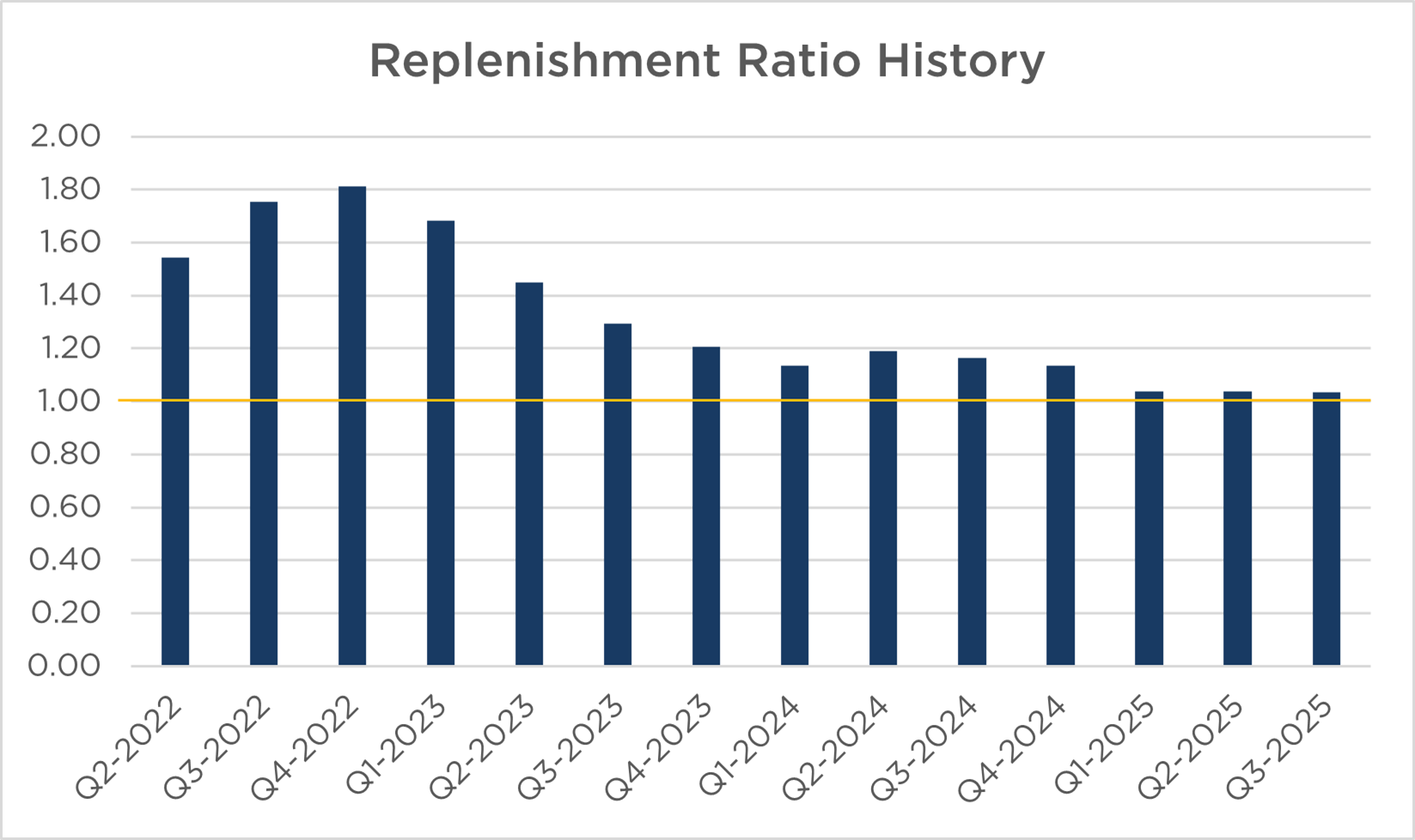
A vital sign of the financial health of the state unemployment insurance program, the trust fund replenishment ratio is a key metric to understand and watch closely. The replenishment rate reflects the ratio of dollars added to the trust fund (SUI Tax Revenues) versus dollars paid out of the trust fund (Benefit Charges), providing insight into the overall health of the trust funds themselves.
The most recent data available shows that entering 2025, two-thirds of state unemployment trust funds fell below federal solvency thresholds. When replenishment rates dip, the risk of trust fund insolvency increases, and so does the pressure on employers.
Here’s what you need to know:
- In Q4 2022, states collected $1.81 in unemployment taxes for every $1 paid in benefits, resulting in a replenishment rate of 1.81:1.
- By Q3 2025, the replenishment rate dropped to a nearly even 1.03:1.
This means trust funds are paying out almost as much as they are taking in—a clear sign that things are tightening and states will need to take action soon to stay afloat.
If you’re not monitoring replenishment rates, you could be blindsided by rising costs. Our team keeps you updated, so you don’t have to watch the market alone. We help our clients not only track these critical numbers, but also craft proactive strategies to stay protected.
What’s Happening?
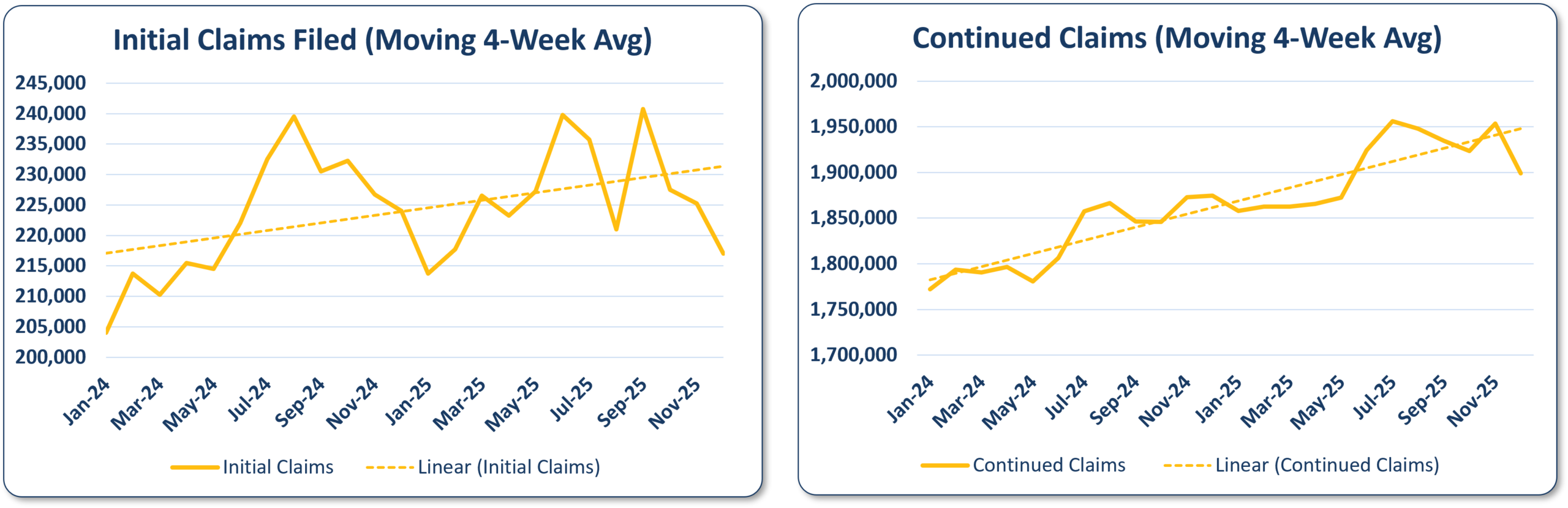
Several forces are combining to reduce trust fund replenishment rates, and none are currently trending in a positive direction. Nationwide, here’s what’s happening
- Unemployment claims, including both initial and continued claims, continue to rise at a rate of 6%.
- The average weekly benefit amount (WBA) is rising, fueled by larger WBA maximums and more layoffs of high wage earners.
- The duration of benefits is also up, with over 40% of claimants exhausting their maximum benefit entitlement.
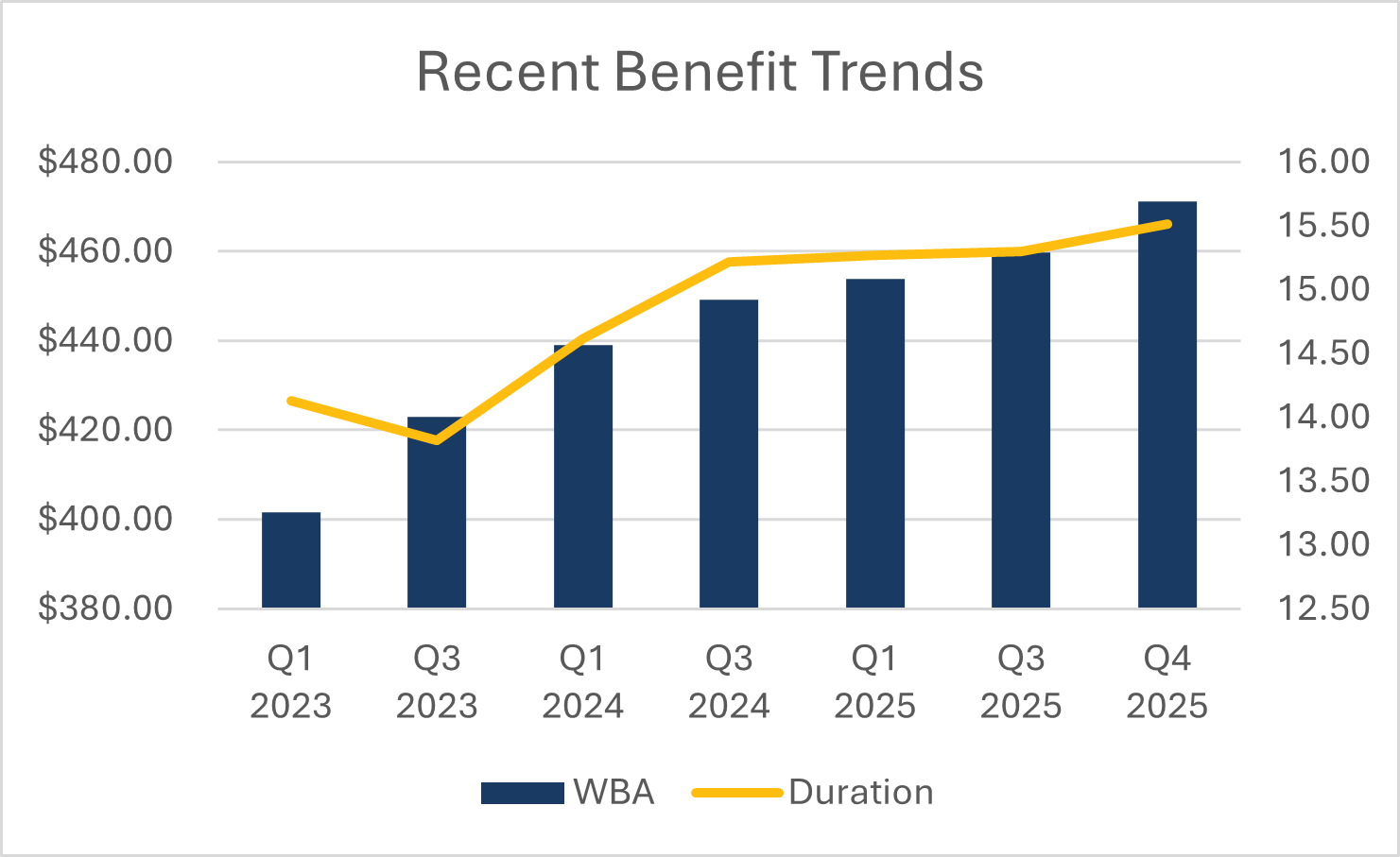
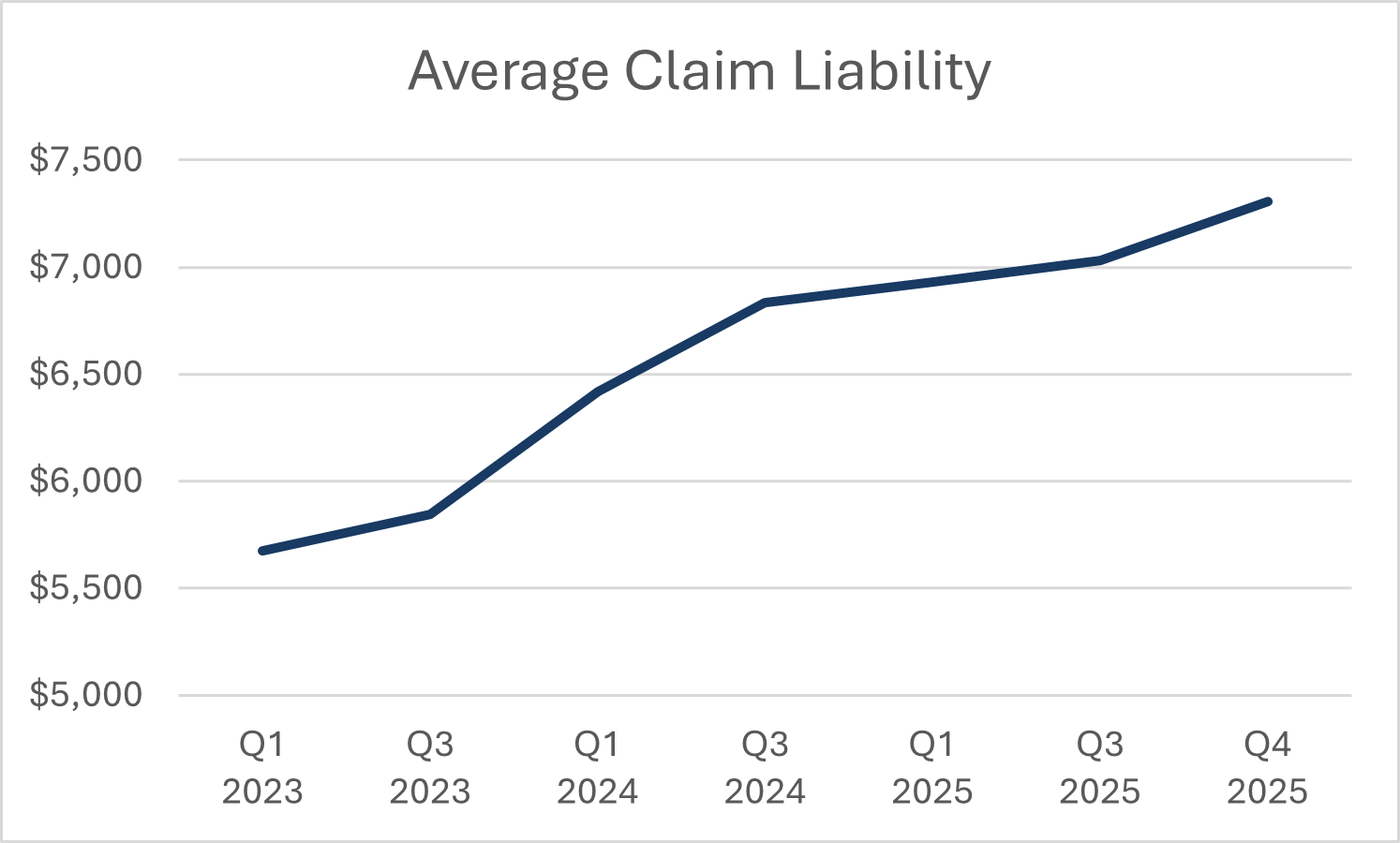
All of this adds up to a higher claim liability. More claim liability means more payouts for states, and more risk for employers as the tax revenue feeding these funds has remained flat or even dropped. This widening gap is leading to greater cost exposure for employers like you.
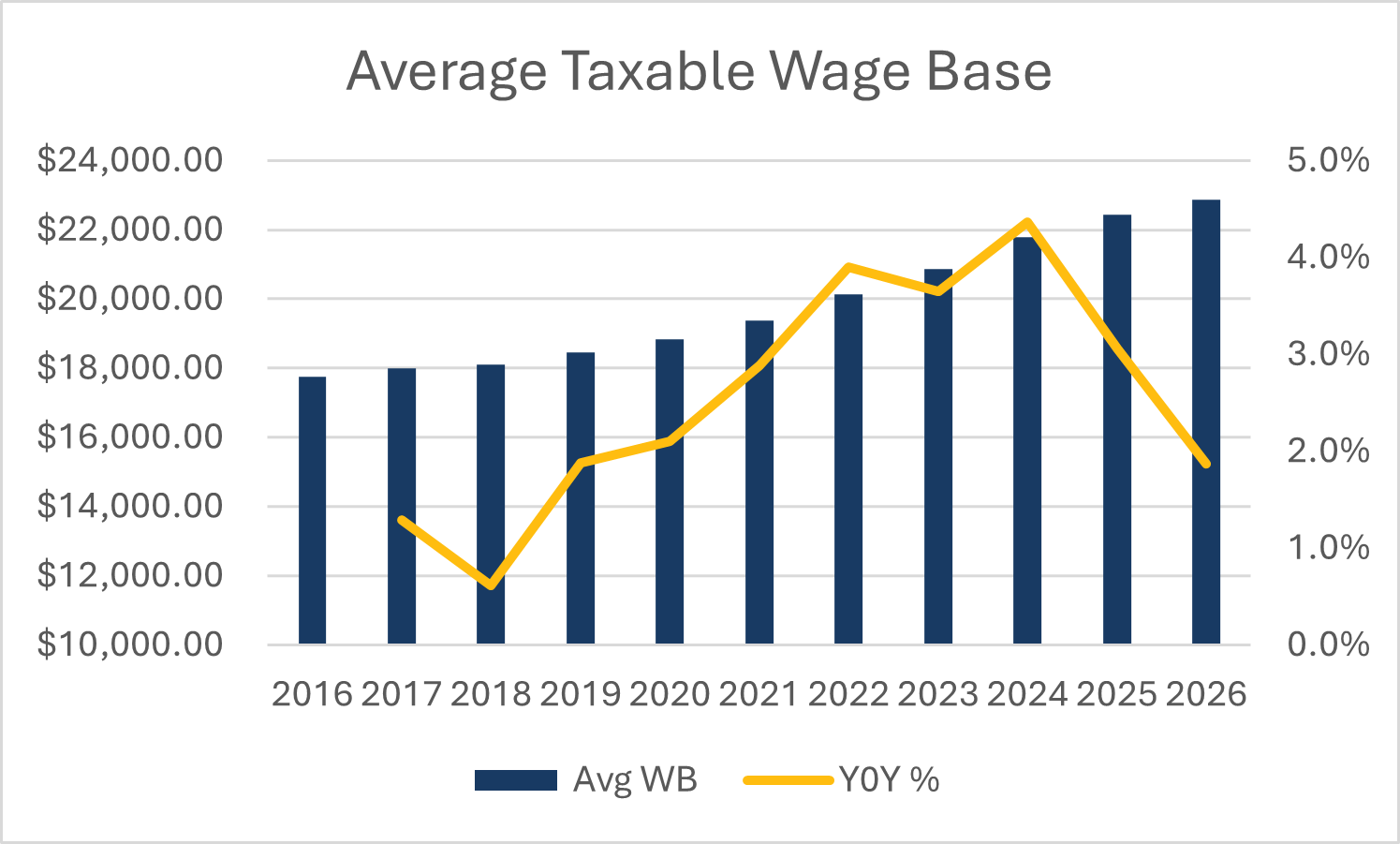
A report recently published by Washington, DC based think tank Niskanen Center, offers additional reasons why weak trust funds reserve levels exist. Some states have an imbalanced taxable wage base (total wages subject to taxation) that is not in line with the average state wage, and most of these states do not have mechanisms in place to adjust the wage base amounts as wages within the state increase. This creates a situation where the states are unable to build up a reserve to cover benefit payments needed in an inevitable economic downturn.
But you don’t have to navigate this alone. Our team is ready to guide you through the shifting terrain, with personalized support for both current clients and businesses looking for expert partnership.
Current And Future Impact
States are facing urgent solvency challenges that will almost certainly require action, which means new regulations, higher costs, and increased complexity for employers. They’re preparing to take action to restore trust fund solvency, and you need a partner who can anticipate and respond to these moves. Here’s what we’re watching for you:
Solvency Surcharges
States may trigger fund builder surcharges, or solvency surcharges, when trust funds fall below a certain threshold. Added to your total unemployment tax rate, this can mean an immediate jump in your baseline tax rate with or without increases in claim liability.
Tax Rate Increases
States may move to less favorable tax tables, which increases rates for all employers, regardless of your own claims history. Additionally, states can, and are, enacting legislation to restructure entire tax rate schedules and tables, increasing the employer experience ratios throughout all tables, and making tax rates less favorable from the minimum rate to the maximum.
We are already seeing these increases take effect, with average contribution rates rising year over year. In 2024, the average employer contribution rate was 1.65%. In 2025, it jumped to 1.74%, driving a 10% tax increase year-over-year per employee. If trends hold, 2026 will bring more of the same.
Thomas & Company helps our clients budget for these changes and find ways to offset their impact. With our expert guidance, you can be ready for whatever comes next.
Taxable Wage Base Increase
Many states are already increasing the taxable wage base, the amount of earnings subject to unemployment tax. This means you may soon be subject to taxes on a larger portion of your payroll.
In fact, 24 states have raised their wage bases by an average of 6.5% for 2026, while only four have decreased them. Meanwhile, the national average wage base for 2026 is $22,859, up nearly 2% over last year, and up 29% over the last decade.
We help you manage these rising costs efficiently, so you can focus on growing your business. We help you plan proactively—no surprises, just smart strategy.
Control the Controllable
Claims Management
Keeping controllable costs low starts with the unemployment claims management process. From claims to appeals and hearing decisions through benefit charge management, you need a partner who understands the complexities of each step. Efficient claims management not only reduces costs but also ensures compliance and minimizes risk. With dedicated support, you can respond quickly to claims, proactively manage documentation, and defend your organization’s interests during hearings.
That’s where Thomas & Company comes in. With seamless integration of automation, real-time tracking, and proactive alerts, consolidates all your claims into a single, intuitive dashboard, allowing you to monitor status, deadlines, outcomes, and documentation with ease. Its advanced analytics help identify claim patterns and potential risks, empowering you to make data-driven decisions.
Paired with a team of subject matter experts who guide you through each phase, identifying trends and offering tailored strategies to streamline claims, we help you improve win rates while increasing efficiency with ongoing education available for you and your team. The result? Measurable savings and confidence you’ve controlled all you can.
Tax Management
But unemployment management goes beyond overseeing the claim lifecycle. How you handle your unemployment tax matters too. Employing strategies such as voluntary contributions, joint accounts, and tax rate forecasting can help your organization optimize its tax positions and mitigate unnecessary liabilities. Additionally, transfers of unemployment experience, along with mergers, acquisitions, and internal reorganization may significantly impact unemployment tax exposure and should be managed accordingly.
Thomas & Company ensures you have the information you need when you need it, providing end-to-end support. Integrated within SHIELD, Tax Gateway provides secure, on-demand access to important unemployment tax information for your accounts while never replacing the first-in-class customer service and expert insight you deserve. We provide easy access to and help you analyze your data to uncover savings opportunities, avoid costly errors, and remain compliant.
By proactively managing both claims and taxes, you gain a complete strategy that protects your bottom line and future-proofs your business against regulatory changes. In today’s environment, smart tax management should not just be an afterthought. It is essential, driving sustainable savings and compliance.
Let Thomas & Company Help You Navigate Unemployment with Ease
Thomas & Company’s subject matter expertise, in conjunction with our industry leading technology suite, including SHIELD, Tax Gateway, and Multi-State Compliance Navigator, helps you manage unemployment risk with ease. Our cohesive approach not only protects your bottom line but also gives you the flexibility to focus on your core business goals, knowing your unemployment costs are managed efficiently and strategically.
Book your Free SHIELD Demo or contact your Account Manager today to see how Thomas & Company can make all the difference.